What Is a Mortise Lock and Why Grade-1 Matters for Commercial Doors
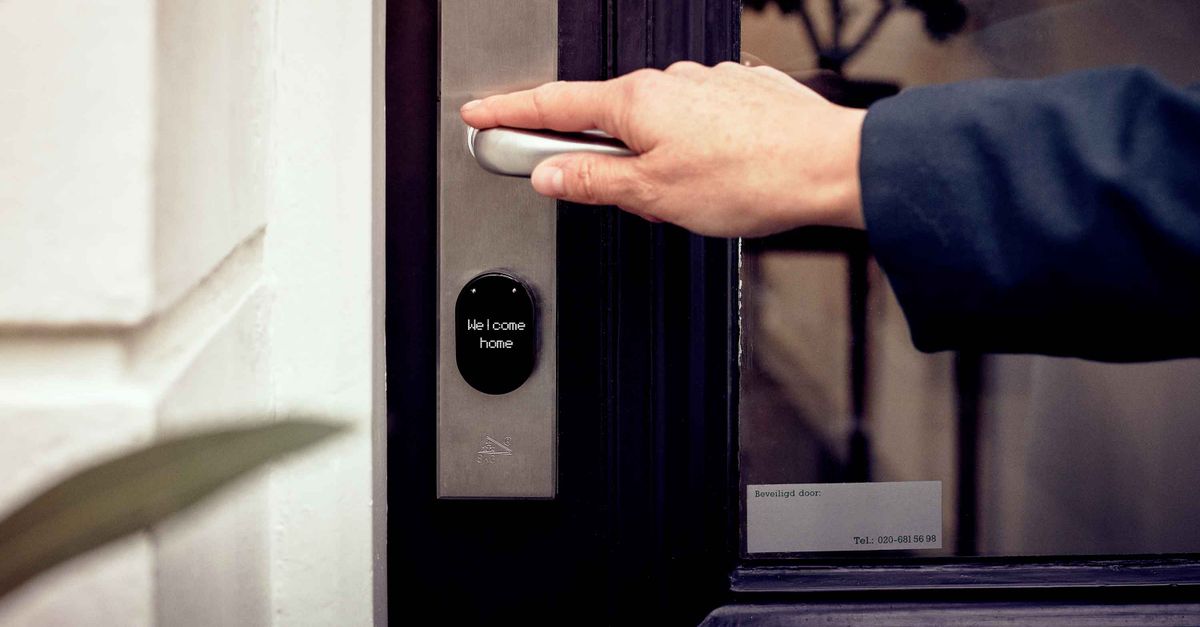
A mortise lock is a complete locking mechanism — latch bolt, deadbolt, strike, and internal chassis — housed inside a rectangular cavity cut into the door's edge. Because the body is recessed rather than surface-mounted, the hardware becomes structurally part of the door itself, dramatically reducing the leverage an intruder can apply to the face plate. Grade-1 is the highest ANSI/BHMA performance tier, requiring the lock to survive 250,000 operating cycles, significant kick-force tests, and corrosive-environment exposure. For a Charlotte business that may see dozens of employees badging in and out daily, that cycle rating is not an abstraction — it is the difference between hardware that lasts years and hardware that fails mid-lease.
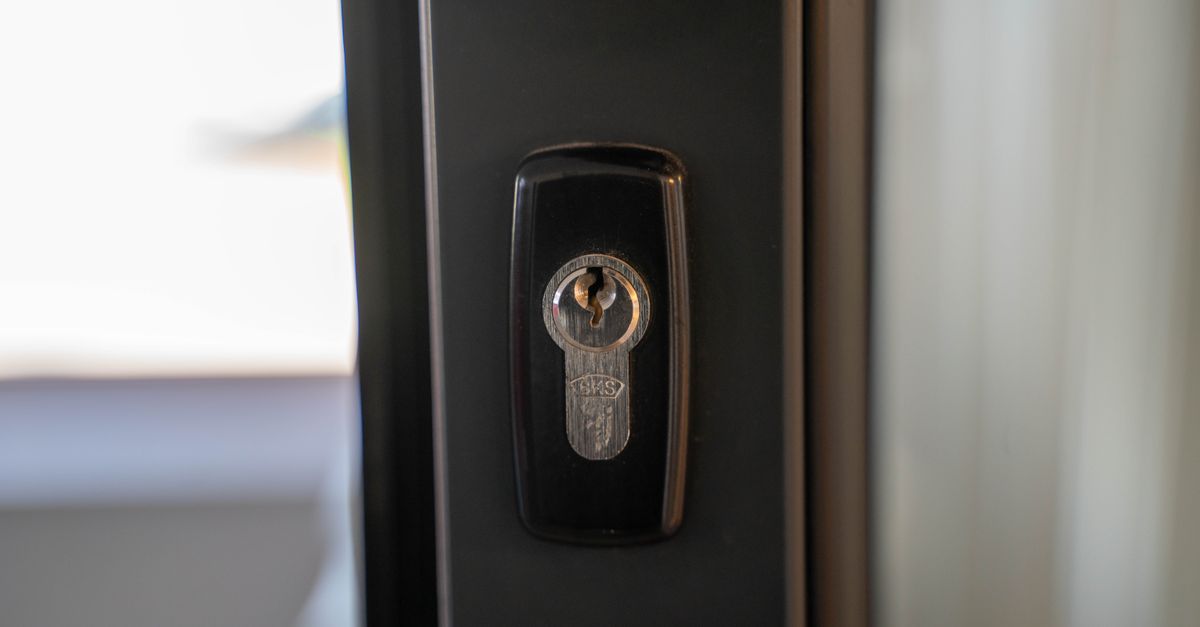
Inside a commercial mortise lock set you will typically find a mortise lock cylinder at the top of the faceplate, a lever or knob trim set, a separate deadbolt throw, an auxiliary latch, and a multi-point strike plate. Manufacturers like Corbin Russwin build their mortise lock bodies from heavy-gauge steel with hardened inserts around the cylinder to resist drilling. Baldwin mortise lock units, more common on high-end office entries and hotel suites, combine architectural aesthetics with the same Grade-1 ratings. Choosing between manufacturers, body functions (the 'function number' that defines which side is keyed, which is always free, and whether there is a classroom or storeroom mode) is exactly where our technicians add the most value — a wrong function selection means the wrong lock for your legal egress and security requirements.