What Is a Mortise Lock and Why Do Older Charlotte Homes Still Use Them?
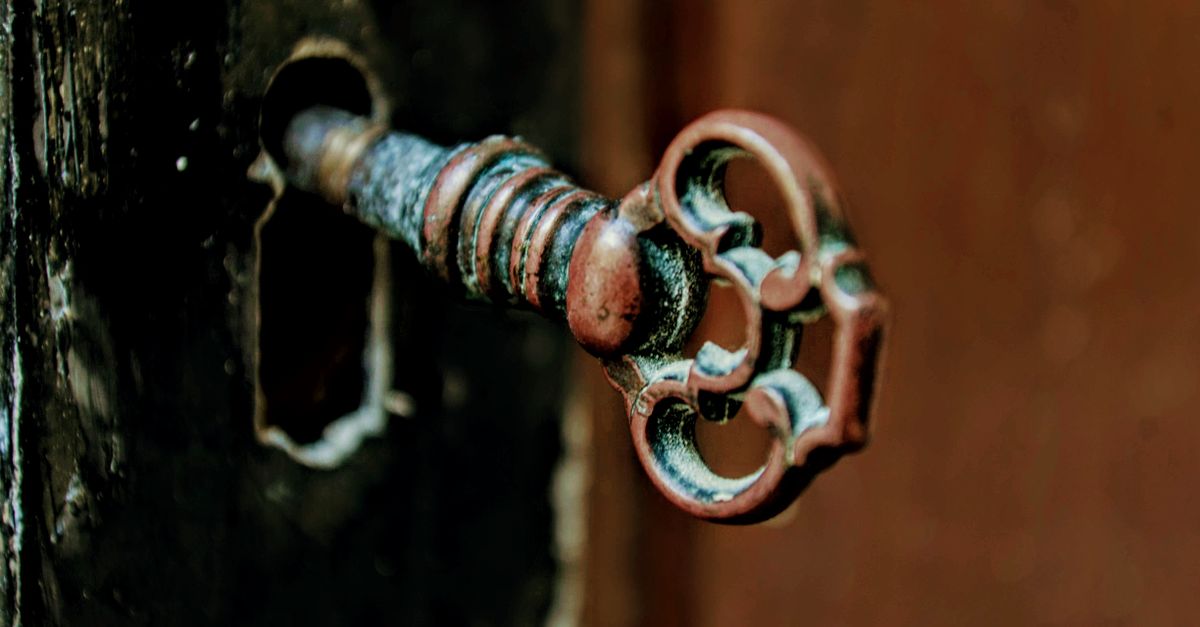
A mortise lock is a lock body that lives entirely inside the door — mortised, or chiseled, into a pocket in the door edge — rather than sitting on the surface like a standard cylindrical lock. The lock body contains a series of precision-machined components: a latchbolt spring, a deadbolt with its own cam and follower, a spindle for the knob or lever trim, and a separate mortise lock cylinder that accepts the key. Because all of these functions are integrated into one housing, a well-maintained mortise set is mechanically superior to stacked cylindrical hardware. Architects and builders of the early and mid twentieth century specified them on virtually every quality door, which is why you still find them on original entry doors in neighborhoods like Elizabeth, Myers Park, and NoDa.
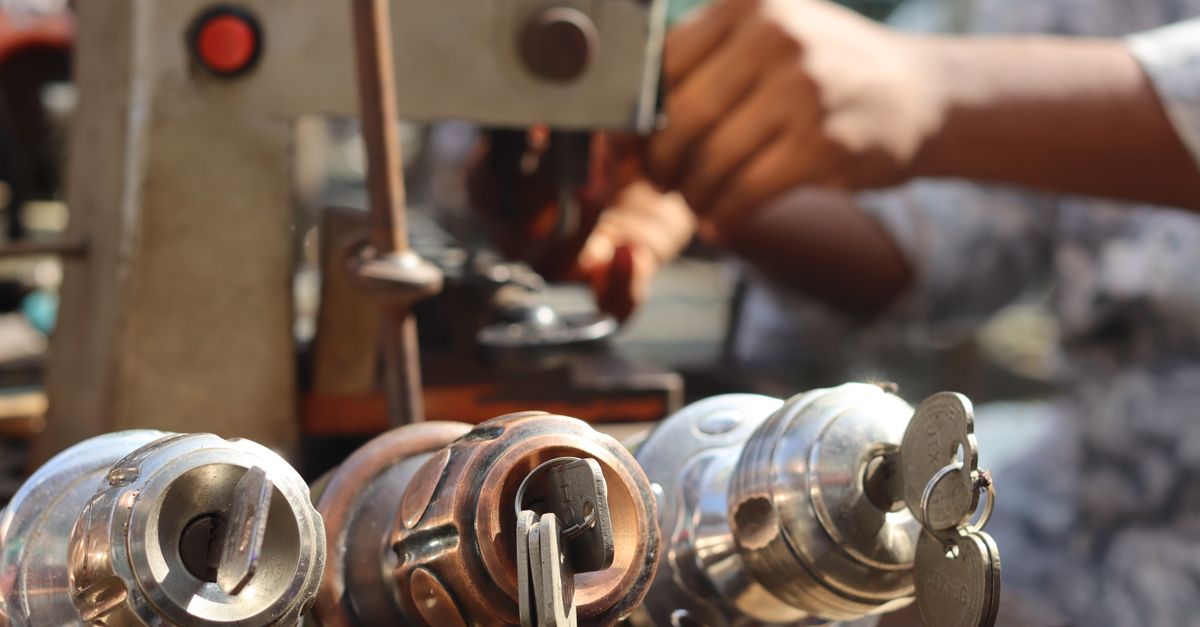
Over decades of use, the internal components wear down. Springs fatigue, followers crack, the cam that drives the deadbolt develops a flat spot, and the mortise lock cylinder itself can become so worn that the key will turn but nothing engages. Unlike a cylindrical deadbolt you can replace with a trip to a big-box store, a failing mortise set requires someone who can either rebuild the existing body or source and fit a compatible replacement unit. That is exactly where our technicians step in — with hands-on experience on legacy hardware from manufacturers like Corbin Russwin and Baldwin, as well as other period brands whose parts are still available through professional supply channels.