Trusted Charlotte Locksmiths Service Team
Local locksmith team
Oct 2, 2026 9 min read
Replacing a lock or upgrading your home's security can feel straightforward — until you're standing in the hardware aisle staring at a mortise lock set on one side and a standard door knob with lock on the other, wondering which one actually belongs on your door. The two systems look different, install differently, and protect your home differently. Getting that choice wrong can mean a lock that doesn't fit your door, one that's easier to defeat than you'd think, or money spent on hardware that a skilled locksmith will have to swap out anyway.
This guide breaks down both options honestly — how each one works, where each one shines, what drives the cost of installation, and which doors are genuinely suited to each system. Whether you're securing a vintage Charlotte bungalow in Dilworth, a new construction home in Ballantyne, or a rental property near South End, the right answer depends on your door, your budget priorities, and the level of security you actually need. Read on, and by the end you'll know exactly what to ask for.
## What Is a Mortise Lock — and How Does It Differ from a Knob Lock?
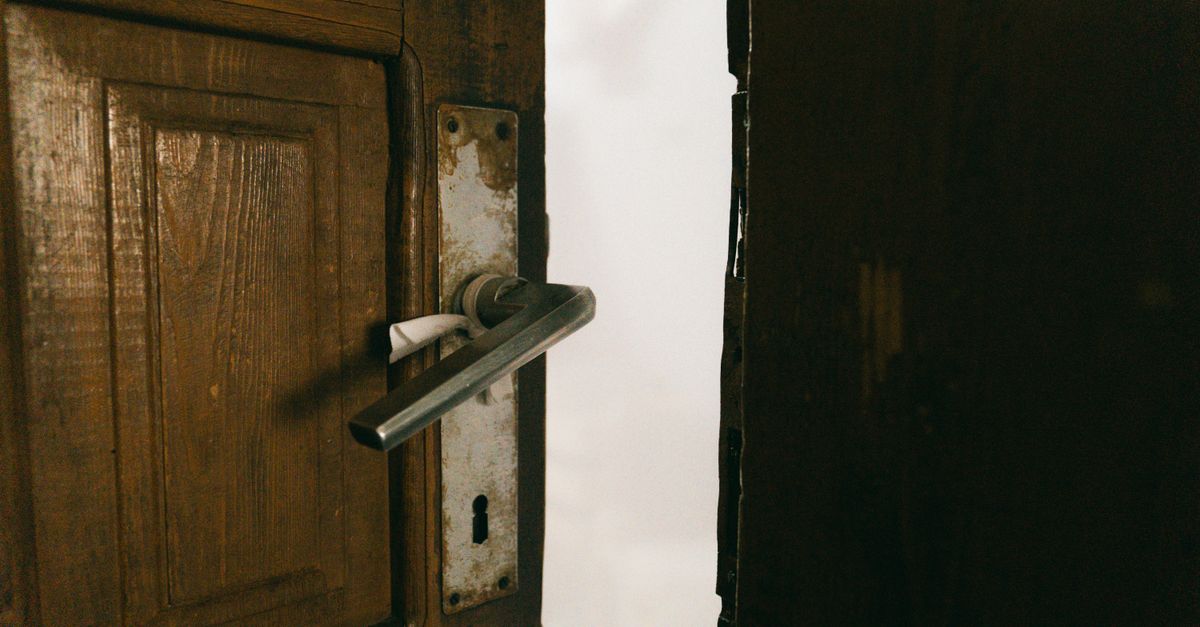
A mortise lock is a lock body that is recessed — or 'mortised' — directly into a pocket cut into the edge of the door. The entire mechanism, including the latch, deadbolt, and sometimes a lever or knob trim, lives inside that pocket. Because the hardware is embedded in the door rather than surface-mounted, it becomes structurally part of the door itself. This design has been standard on commercial doors and high-end residential entryways for over a century, and you'll still find original mortise lock sets on many of the older craftsman and colonial homes throughout Charlotte's historic neighborhoods.
A standard door knob lock — sometimes called a knob lock or cylindrical lock — works completely differently. The lock mechanism sits inside a round knob housing that passes through a bored hole in the door face. Installation requires only a cylindrical hole drilled through the door and a smaller latch hole in the edge, which is why builders use them by default on most residential doors. A door knob with lock and key is fast to install, widely available at any hardware store, and easy to replace without specialized tools. The tradeoff is that the exposed knob housing is a mechanical weak point: the knob can be snapped or torqued under enough force, bypassing the lock cylinder entirely. For a dedicated deadbolt paired with a keyed knob, security improves significantly — but the fundamental mechanical exposure remains.
## Mortise Lock Security vs. Standard Door Knob Lock Security
Security is usually the first reason homeowners start researching a mortise lock. Because the lock body is fully embedded, there is no exposed housing to snap, pry, or strike. The door itself must be defeated, not just the lock. High-quality mortise lock sets also tend to use longer, more complex bolt throws and are designed to accept high-security cylinders — meaning even a skilled attempt to pick a door knob lock cylinder would face a more formidable mechanism in a mortise configuration. This matters especially for front entry doors, rear doors that back up to alleys or wooded areas, and any door a landlord wants to harden before a new tenant moves in.
That said, a quality Grade 1 deadbolt paired with a reinforced strike plate does a solid job on a standard residential door — and it's the setup protecting the majority of Charlotte-area homes right now. The honest security calculus comes down to this: a mortise lock raises the bar substantially, but the door frame, strike plate, and door material matter just as much. A mortise lock in a hollow-core door with a weak frame is still a weak door. Our team evaluates the entire entry point — not just the lock — so you get advice that actually improves security rather than just upgrades hardware.
## Which Doors Actually Fit Each System — a Practical Door-by-Door Breakdown
Mortise locks require a door that is thick enough and solid enough to accept the mortise pocket — typically 1-3/4 inch solid wood or metal commercial doors. Older homes in Charlotte neighborhoods like Plaza Midwood or NoDa often have original solid-wood doors already prepped for mortise hardware, sometimes with the original pocket still intact beneath a retrofit cylindrical lock. Modern hollow-core interior doors and most hollow metal residential doors are not good candidates for mortise installation without significant reinforcement. Steel exterior doors with foam cores can work if they are the right gauge, but always require professional assessment first.
Standard cylindrical door knob lock sets, by contrast, fit almost any pre-bored residential door right out of the box. The 2-1/8 inch face-bore and 2-3/8 or 2-3/4 inch backset are industry standard, and the vast majority of doors sold in the U.S. in the last 40 years are drilled to those specs. Interior bedroom and bathroom doors, lightweight exterior doors on rental units, and garage entry doors are all natural homes for a quality knob lock or lever-handle lock paired with a deadbolt. If your door is not pre-bored, a locksmith can drill it — but that's a different conversation than simply swapping hardware.
## Cost Factors, Installation, and When to Call an Emergency Locksmith Charlotte
The cost of any lock installation — mortise or cylindrical — depends on several real variables: the type and grade of the lock itself, whether the door needs any preparation work, the time of day you need service, and travel distance to your location in the Charlotte area. Mortise lock installation is more labor-intensive than swapping a standard knob set, simply because cutting or cleaning a mortise pocket and fitting the lock body precisely takes skill and time. An emergency locksmith call-out after hours or on a holiday adds a service consideration as well. What we always do before any work begins is confirm an exact up-front price — no surprises on the invoice.
If you're locked out and asking yourself 'where can I find an emergency locksmith in Charlotte, NC?', the practical steps before you call are: check all other entry points (back door, garage, window you may have left unlatched), see if a neighbor or family member has a spare key, and verify you have proof of residence or ownership ready. Our mobile team serves the full Charlotte metro — from Uptown to Ballantyne, Huntersville to Matthews — and we confirm a clear price before we start. For non-emergency upgrades, scheduling in advance keeps the process smooth and gives you time to choose the right hardware for your specific door. Call (704) 850-6756 any time — we answer around the clock.
## Choosing the Right Lock: Practical Recommendations by Scenario
Front door of an older solid-wood home: a mortise lock set is worth serious consideration. The door likely already has the pocket, the hardware matches the architecture, and the security upgrade is meaningful. Front door of a standard modern residential build: a Grade 1 deadbolt paired with a quality door knob with lock delivers excellent protection and fits the door without modification. Commercial door — storefront, office suite, or multi-unit building entry: mortise is almost always the right answer, and our commercial locksmith services cover full installation, keying systems, and master key setups for property managers across the Charlotte area. Interior doors where privacy rather than security is the goal: a simple passage knob or a privacy knob lock is perfectly appropriate and a mortise system would be overkill.
One scenario that catches homeowners off guard: they search online for 'how to pick a door knob lock' after a lockout, find instructions that look simple, and damage the lock or the door trying to follow them. We always recommend against DIY bypass attempts — the risk of damaging the door, the lock cylinder, or the strike plate typically creates a more expensive repair than the original lockout call would have cost. The safe approach is checking for other entry points, confirming ownership documents, and calling a trained locksmith who can open the door cleanly and without damage.
Frequently asked questions
What is a mortise lock and do I need one for my home?+
A mortise lock is a lock mechanism that sits inside a pocket (the mortise) cut into the door edge, rather than through a face-bored hole like a standard knob lock. It integrates with the door structure itself, which is why it offers a higher level of forced-entry resistance. Whether you need one depends on your door type, your security goals, and your budget priorities. Solid-wood exterior doors — especially on older Charlotte-area homes — are ideal candidates. Modern pre-hung residential doors with hollow cores or standard framing are often better served by a high-grade deadbolt and knob set. A professional assessment of your specific door and frame gives you the clearest answer.
How much will an emergency locksmith cost in Charlotte, NC?+
There is no single flat figure because several real factors shape the final price: the type of lock on your door, whether any hardware needs to be replaced or re-keyed, the time of day (nights, weekends, and holidays involve different service considerations), and how far our mobile team needs to travel within the Charlotte area. What we commit to every time is confirming an exact price with you before any work begins — so you always know what you're agreeing to. Call (704) 850-6756 and we can walk through the specifics of your situation and give you a clear quote on the spot.
Can a standard door knob lock be picked easily, and how do I protect against it?+
Cylindrical knob locks vary widely in pick resistance depending on their grade and cylinder quality. Entry-level knob locks use simpler pin tumbler configurations that are more vulnerable; Grade 1 locks with security pins are meaningfully harder to bypass. We never recommend attempting to pick or bypass your own lock — even with the best intentions, DIY attempts frequently damage the cylinder, the door bore, or the strike plate, turning a simple lockout into a more involved repair. The best protection against both picking and forced entry is pairing a quality knob lock with a Grade 1 deadbolt, reinforcing the strike plate with long screws that reach the stud, and choosing a lock with an ANSI Grade 1 rating. If security is a serious concern, upgrading to a mortise lock set is worth discussing with our team.
Where can I find an emergency locksmith in Charlotte, NC for a mortise lock issue?+
Trusted Charlotte Locksmiths is a fully mobile, 24/7 locksmith service covering the entire Charlotte metro area — Uptown, South End, Dilworth, Ballantyne, Huntersville, Matthews, Mint Hill, and beyond. Our experienced team handles mortise lock installation, repair, and re-keying alongside all standard residential and commercial lock services. We're insured, and we always confirm pricing before we start any work. For a mortise lock emergency or any other lock situation, call us at (704) 850-6756 — we answer every call, day or night.