Trusted Charlotte Locksmiths Service Team
Local locksmith team
May 29, 2026 12 min read
Your front door is the first line of defense between your family and the outside world — and most Charlotte homeowners never think about the lock until the day it stops working entirely. A lock that fails mid-morning with kids running late for school is an inconvenience. One that fails at midnight on a cold night near South End or Ballantyne is a genuine emergency. The good news is that most knob locks and mortise door locks give clear warning signs before they quit completely, and recognizing those signs early lets you schedule a repair on your terms rather than scrambling for help at the worst possible moment.
This guide walks you through seven of the most common symptoms that a residential lock is heading toward failure — from subtle stiffness you might brush off to visible damage you cannot ignore. Whether you have a traditional door knob lock, a heavy-duty mortise door lock, or a newer keypad model, these warning signs apply. Read through them, do a quick check on every exterior door in your home today, and you may save yourself from a frustrating lockout down the road.
## Sign 1: The Key Sticks, Catches, or Requires Extra Force to Turn
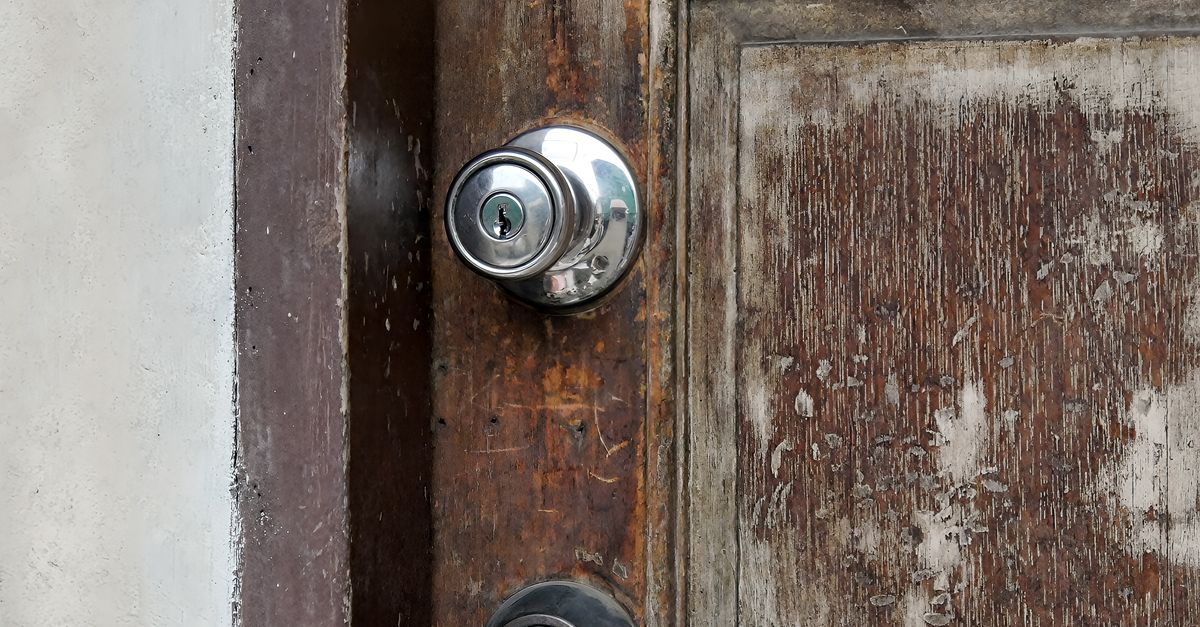
A healthy lock cylinder turns smoothly with almost no resistance. If you have started jiggling the key before it catches, pressing your shoulder against the door while you turn, or holding your breath hoping it works, that is not normal wear — that is a worn-out cylinder telling you it is close to the end. Inside the lock, a series of small spring-loaded pins must align perfectly with the cuts on your key. When those springs weaken or the pins become corroded or dirty, alignment becomes inconsistent and the lock feels sticky or unpredictable. This is especially common in older mortise door lock sets found in Charlotte's many Craftsman bungalows and mid-century ranch homes throughout neighborhoods like Dilworth and Plaza Midwood, where original hardware sometimes dates back decades.
A lock that requires force to turn is also a security risk independent of the inconvenience. A cylinder in that condition can be defeated more easily because the internal components are already compromised. The fix is usually a cylinder rekey or a full door lock installation — not a can of WD-40, which can actually attract debris and accelerate wear over time. If this is your situation, call a professional before the cylinder seizes entirely.
## Sign 2: The Lock Feels Loose or Wobbles on the Door
Grab your door knob lock and try to wiggle it — front to back, side to side. There should be no noticeable play. If the hardware wobbles, that looseness means the mounting screws have backed out, the lock chassis has shifted inside the door, or — in the case of a mortise door lock — the mortise pocket itself may have worn wider than the lock body. Mortise locks are installed by cutting a precise rectangular cavity into the door edge, and over years of use, vibration and seasonal wood movement can cause the fit to loosen. A loose mortise lock is especially worth addressing quickly because the entire deadbolt-and-latch mechanism lives inside that cavity; if the lock body shifts, latching becomes unreliable even when the lock appears locked from the outside.
Tightening screws is a legitimate first step, but if the screws spin without catching — a sign the wood threads are stripped — or the wobble returns within days, a professional needs to evaluate whether the door itself needs reinforcement or whether the lock body requires replacement and a fresh door lock installation.
## Sign 3: The Latch or Deadbolt Does Not Retract or Extend Fully — Emergency Locksmith Situations Start Here
Watch what happens when you turn the key or the knob: does the latch bolt retract completely and cleanly, allowing the door to open without pushing? Does the deadbolt extend fully into the strike plate when you lock up? Partial movement is one of the clearest signs a lock is failing. In a door knob lock, a sticky latch often means the spring mechanism inside has weakened. In a mortise door lock, partial bolt travel can point to a worn cam, a bent bolt, or debris inside the mortise box. Either way, a latch that does not fully retract is a lock that will eventually trap you outside — the definition of an emergency locksmith call.
If you notice this symptom, do not wait. A lock behaving this way can fail completely without warning, leaving you standing in your driveway with no way in. Trusted Charlotte Locksmiths responds to exactly these situations around the clock. If you are already experiencing inconsistent latch behavior, call us at (704) 850-6756 before it becomes a full lockout — we serve the entire Charlotte area, including neighborhoods from NoDa to Steele Creek, 24 hours a day, seven days a week.
## Sign 4: Visible Rust, Corrosion, or Physical Damage on the Lock Body
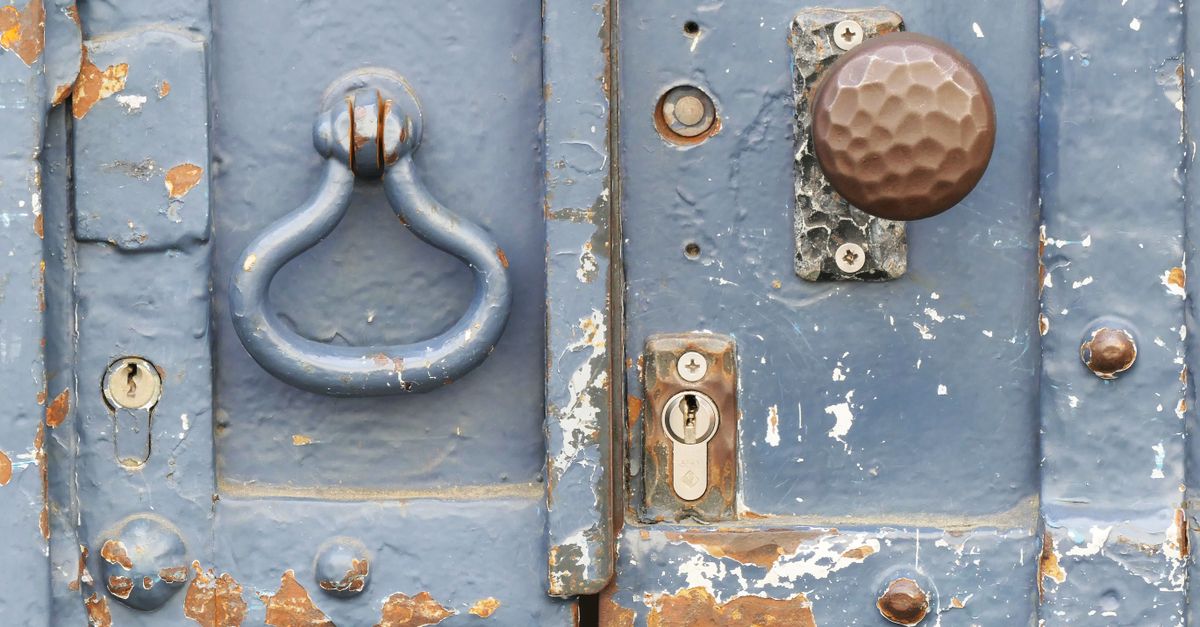
North Carolina's humid summers put exterior hardware through a workout. Surface rust on a lock's face plate is cosmetic; rust that has worked its way into the keyway, around the bolt mechanism, or along the internal components of a mortise door lock is a mechanical problem. Corrosion causes metal components to bind, springs to lose tension, and pins inside the cylinder to stick. Once rust reaches the interior of the lock, no amount of cleaning will fully restore reliable function — the lock needs to be replaced.
Physical damage tells a similar story. A bent strike plate, a dented knob, a cracked rose plate, or a mortise lock case that has visibly shifted in the door edge are all indicators that the door lock has been stressed beyond its design tolerances, whether by attempted forced entry, a hard door slam, or simply age. When you see this kind of damage, it is also worth having a professional inspect the door frame and strike plate at the same time — a new lock installed into a damaged frame provides much less security than the hardware rating suggests. This is also the right moment to consider whether a change door lock service is the smarter path over repeated repairs.
## Sign 5: Keypad Codes Stop Working Reliably — and When to Think About How to Change Door Lock Code
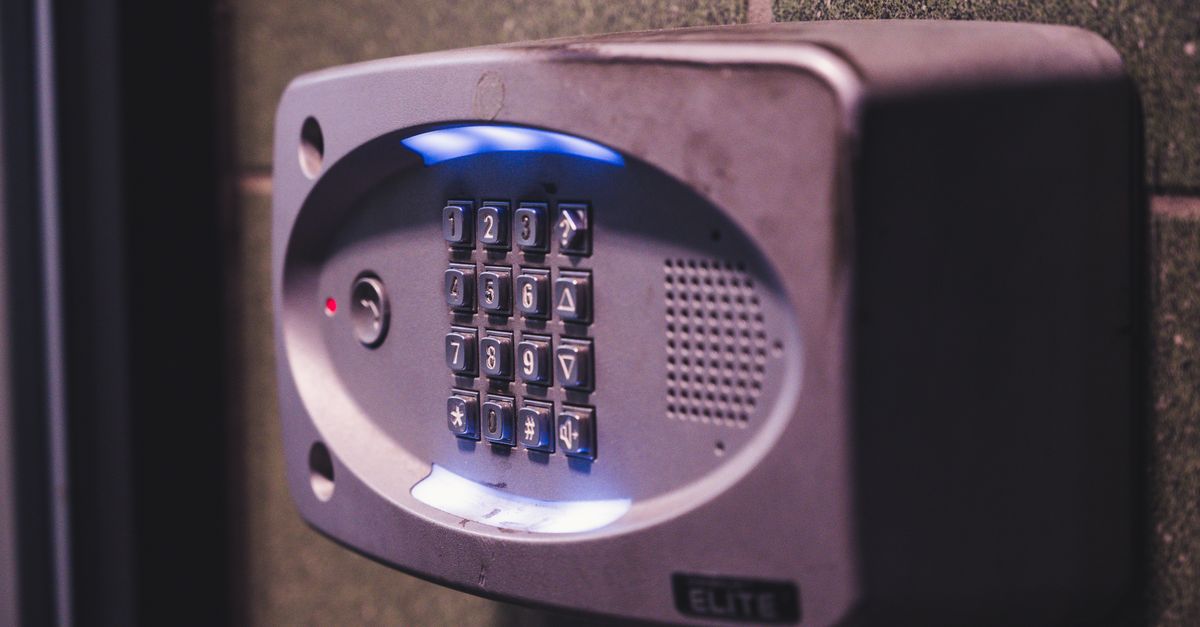
Electronic keypad locks add convenience, but they introduce a different set of failure modes. If your keypad requires multiple attempts to recognize a correct code, shows unusual delay between button press and action, or has started giving random error signals, the issue could be low batteries, moisture intrusion, or a failing circuit board. Start with fresh batteries — this solves a surprising percentage of keypad problems — but if the problem continues after a battery swap, the internal electronics may be compromised.
Homeowners sometimes search for guidance on how to change code on keypad door lock or how to change door lock code when the lock starts behaving erratically, thinking a code reset will fix the problem. A reset can rule out a software glitch, but it will not repair deteriorating hardware. If your keypad lock continues to misread inputs or behave inconsistently after a full reset, the smartest next step is a professional evaluation. A trained locksmith can test whether the problem is the keypad panel, the motor, or the lock body itself, and advise whether a repair or a full replacement door lock installation makes more sense for your door and security needs.
## Sign 6: The Door Does Not Align Properly With the Strike Plate
Sometimes it is not the lock that is failing — it is the door. But the result is the same: a lock that cannot do its job. If your door has dropped, swollen from moisture, or shifted in its frame, the bolt and latch will no longer line up cleanly with the strike plate cutout. You may notice you have to lift the door handle, push the door up, or lean into the door to get the bolt to engage. Forcing a misaligned lock repeatedly accelerates wear on both the lock internals and the strike plate, turning a door adjustment problem into a lock replacement problem over time.
This is worth mentioning specifically for Charlotte homeowners near the Lake Norman area and in older home communities along Park Road, where foundation settling and wood-frame construction can cause seasonal door movement. A locksmith who works on residential doors regularly will recognize a misalignment issue immediately and can advise whether the fix is a strike plate adjustment, a lock repositioning, or referral to a door carpenter for frame work. Getting the right diagnosis early prevents the misalignment from destroying an otherwise healthy lock.
## Sign 7: The Lock Has Never Been Changed Since You Moved In — Change Door Lock Before It Becomes Urgent
This last sign is less about hardware failure and more about a quiet security risk that compounds over time. If you moved into your Charlotte home and never had the locks rekeyed or replaced, you have no way of knowing how many copies of your key exist. Previous owners, contractors, neighbors, or real estate agents may all have copies. Beyond the security concern, an older lock that has seen years of use by multiple people accumulates wear much faster than one maintained by a single household.
Rekeying is faster and less disruptive than a full change door lock service, but there are situations — worn cylinders, outdated hardware, or a desire to upgrade to a mortise door lock for added security — where replacement makes more sense. A professional can assess which approach serves your home best. Either way, scheduling a proactive lock service is far less stressful than waiting for a lockout to force the issue. If any of these seven signs sound familiar, now is the right time to act — call Trusted Charlotte Locksmiths at (704) 850-6756 and we will get a skilled technician to your door, 24 hours a day.
## Our Residential and Commercial Locksmith Services in Charlotte, NC
Trusted Charlotte Locksmiths is a fully mobile, insured locksmith operation serving Charlotte and the surrounding communities. Whether you need a same-day mortise door lock repair, a sliding door lock replacement for a back patio door, or a scheduled commercial locksmith visit for a business rekeying project, our team handles it. Here is a look at the specific services we provide: residential lockout response, commercial lockout response, mortise door lock repair and replacement, door knob lock repair and replacement, deadbolt installation and replacement, door lock installation for new construction and remodels, lock rekeying service, master key system setup, keypad and smart lock installation, sliding door lock replacement, patio door lock repair, garage side door lock service, window lock installation, mailbox lock replacement, padlock removal and replacement, car lockout service, motorcycle lockout response, truck lockout assistance, car key duplication, transponder key programming, key fob replacement, broken key extraction from ignition or door, ignition switch repair, safe opening service, and high-security lock upgrades. Each service visit begins with an honest assessment and a confirmed up-front price before any work begins — the final quote reflects factors like the specific lock type involved, whether specialized parts are required, the time of day, and travel distance to your location.
Frequently asked questions
How much will an emergency locksmith cost in Charlotte, NC?+
There is no single flat rate for emergency locksmith work because several variables affect the final price: the type of lock involved (a standard door knob lock differs from a complex mortise door lock), the time of day, the distance our technician travels to your location, and whether replacement parts are needed. What we can tell you is that Trusted Charlotte Locksmiths always confirms an exact price with you before any work begins — no surprises on the invoice. Call (704) 850-6756 to describe your situation and we will walk you through the factors that apply to your specific job.
Where can I find an emergency locksmith in Charlotte, NC?+
Trusted Charlotte Locksmiths is a 24/7 mobile locksmith serving the entire Charlotte area, including communities across Mecklenburg County and nearby areas. Because we are fully mobile, we come to your location — whether that is a home in Ballantyne, a business near Uptown, or a car in a parking deck off Trade Street. When you need emergency locksmith help, call us directly at (704) 850-6756 and we will dispatch a skilled technician to you right away.
How do I change the code on a keypad door lock if the lock is also acting up mechanically?+
Knowing how to change code on a door lock or how to change door lock code is a useful skill for routine security maintenance, and most keypad manufacturers include straightforward instructions for this in the owner's manual or on their support page. However, if your lock is already showing signs of mechanical trouble — inconsistent response, delayed action, or erratic behavior even after a reset — a code change alone will not resolve the underlying hardware issue. At that point, a professional evaluation is the right call. We can determine whether the problem is software-level or a sign that a door lock installation with newer hardware is the better solution.
What is the difference between rekeying and replacing a door lock, and which is right for me?+
Rekeying means a locksmith changes the internal pin configuration of your existing cylinder so that only new keys will operate it — your lock hardware stays in place, but old keys no longer work. It is a practical choice when the lock body itself is in good condition and you simply want to control who has access. Replacing the lock — a full change door lock service — makes more sense when the hardware is worn, damaged, outdated, or when you want to upgrade to a higher-security option like a mortise door lock. A trained locksmith can inspect your current hardware and give you an honest recommendation based on what they actually find, not a one-size-fits-all answer.